


Coastal Guardians: How Mangroves, Seagrass and Saltmarsh Protect Our Shores from Storms and Rising Seas

An invisible army stands between our coasts and the rising sea: mangroves, seagrass meadows and saltmarshes. Together, these “blue carbon” ecosystems act as natural barriers that reduce storm damage, slow erosion and buffer communities from sea-level rise, while also storing vast amounts of carbon and supporting fisheries and wildlife. Protecting and restoring them is one of the most effective and nature‑based ways to increase coastal resilience.
When Cyclone Nargis struck Myanmar in 2008, areas with intact mangroves experienced significantly less damage than cleared coastlines—a stark reminder of nature's protective power.
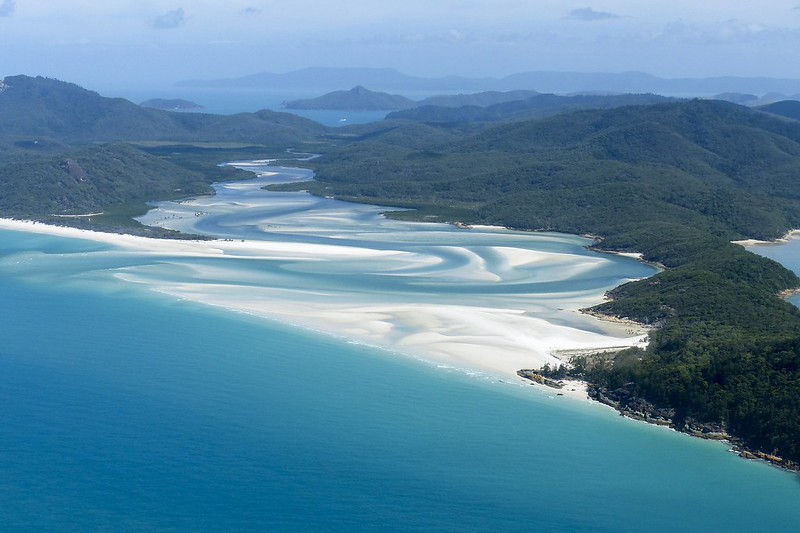
Nature’s coastal shield
Mangroves, seagrass and saltmarshes form a living shield along sheltered coastlines, estuaries and river mouths. Their complex roots and dense vegetation slow down waves and storm surges, causing water to lose energy before it reaches roads, homes and infrastructure. This physical barrier can significantly reduce the height and force of storm waves, lowering the risk of flooding and erosion of beaches and shorelines.
These habitats also trap and stabilise sediments. Fine particles carried by tides and rivers settle among roots and stems, gradually building up the seabed and shoreline. This natural “land‑building” process helps some coastal wetlands keep pace with moderate rates of sea‑level rise, buying precious time for nearby communities. Over decades, this can mean the difference between a resilient coast and one that is steadily eaten away by the sea.
Mangroves: storm buffers and nurseries
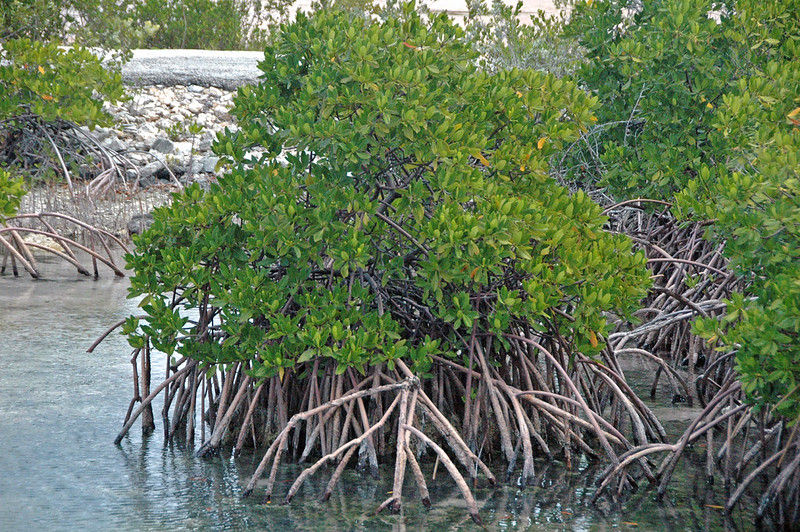
Mangroves are salt‑tolerant trees and shrubs that grow in intertidal zones (areas covered at high tide and exposed at low tide), often forming dense forests along tropical and subtropical coasts. Their above‑ground roots form an intricate tangle that breaks up wave energy, acting like a flexible, living seawall. During cyclones and storms, mangrove belts have been shown to reduce wave heights and protect inland areas from extreme water levels. Mangroves can reduce wave heights by up to 66%.
Beyond storm protection, mangroves provide crucial habitat for fish, crabs and prawns, many of which support local fisheries and food security. Juvenile fish use the shaded, root‑filled waters as nurseries, finding both shelter and abundant food. The leaf litter and organic matter produced by mangroves fuel rich food webs that extend far beyond the forest itself, linking coastal wetlands with nearshore reefs and open waters.
Mangroves are also powerful carbon sinks. Their waterlogged soils accumulate thick layers of organic-rich mud that can lock away carbon for centuries if left undisturbed. When mangrove forests are cleared or drained, that stored carbon can be released, contributing to greenhouse gas emissions. Protecting intact mangroves therefore helps both reduce climate risks and strengthen coastal defences at the same time.
Seagrass meadows: underwater stabilisers
Seagrasses are flowering plants that grow in shallow coastal waters, forming extensive underwater meadows. Their roots and rhizomes (underground stems) bind sediments on the seabed, while their blades slow flowing water, encouraging particles to settle. This stabilises the seafloor and reduces stirring up of sediments, improving water clarity and helping to protect nearby habitats such as coral reefs.
During storms, healthy seagrass beds can absorb wave energy and reduce the power of currents that scour away sand and mud. By dampening water movement near the seabed, they help safeguard shorelines and reduce erosion of tidal flats and beaches. Seagrass meadows also trap organic material and store significant amounts of carbon in their underlying sediments, making them an important part of global blue carbon strategies. Seagrass meadows cover less than 0.2% of ocean floor but store 10% of ocean carbon annually.
Ecologically, seagrass meadows are biodiversity hotspots. They provide feeding grounds for species such as turtles, dugongs and a wide array of fish and invertebrates. Many commercial and recreational fish species depend on seagrass habitats at some stage of their life cycle, meaning their loss can have cascading social and economic impacts for coastal communities and fisheries.

Saltmarshes: living buffers and carbon banks
Saltmarshes occupy the upper intertidal zone, where they are regularly flooded by the tides but also exposed to the air. Dominated by salt‑tolerant grasses and herbs, these wetlands act as natural sponges. During storms and high tides, saltmarshes can temporarily store large volumes of water, reducing peak flood levels and slowing the flow of water towards inland areas.
Like mangroves and seagrass, saltmarsh plants trap sediments and organic matter. Over time, they build up thick soil layers that can rise as sea levels increase, provided sediment supply is sufficient and there is space for the marsh to migrate landward. This natural vertical growth can help maintain marsh elevation relative to sea level, enhancing long‑term coastal resilience. Saltmarsh soils also store high densities of carbon, making their conservation a cost‑effective climate action.
Saltmarshes support diverse communities of birds, fish and invertebrates. Migratory shorebirds depend on these habitats for feeding and resting, while fish and crustaceans use tidal channels and marsh edges as feeding and nursery areas. Their protection is therefore essential for both biodiversity conservation and the maintenance of coastal food webs.
Up to 50% of saltmarshes globally have been lost since 1900.

Threats and the cost of losing natural defences
Despite their value, mangroves, seagrass and saltmarshes have been heavily degraded worldwide. Clearing for coastal development, ports and aquaculture, pollution from land runoff, altered freshwater flows, boat propeller scarring and unsympathetic coastal engineering have all contributed to losses. In many regions, large areas of wetlands have been drained or filled to make way for housing and infrastructure, removing natural buffers right where they are most needed.
The loss of these ecosystems exposes coastlines to stronger wave action and faster erosion, often leading to a reliance on hard structures such as seawalls and rock revetments. While these can provide local protection, they are expensive to build and maintain, can fail under extreme conditions, and often worsen erosion further along the coast. They also generally do not provide habitat, carbon storage or the wide range of ecological benefits that natural systems offer.
Once degraded, coastal ecosystems can be difficult and costly to restore, especially if underlying pressures such as poor water quality or altered hydrology remain. This makes proactive protection of remaining intact areas a far more efficient strategy than trying to rebuild them after they are lost. Every hectare preserved today reduces future adaptation costs and helps maintain nature’s protective functions.

Working with nature: solutions and stewardship
Coastal management is increasingly shifting towards “nature‑based solutions” that work with natural processes rather than against them. Protecting existing mangrove, seagrass and saltmarsh areas through legal safeguards, careful planning and enforcement is the foundation. Avoiding development in sensitive intertidal zones, maintaining natural river flows and improving catchment water quality are all key actions that support the health of these ecosystems.
Restoration can also play a crucial role. Mangrove planting, re‑profiling shorelines to restore tidal flow, removing barriers such as unnecessary seawalls and reconnecting floodplains can help wetlands recover. For seagrass, reducing sediment and nutrient pollution, regulating damaging boating practices and, where necessary, carefully planned transplantation can assist meadow regeneration. Saltmarsh restoration often involves removing or modifying levees and drains so that tides can once again reach former wetlands.

Community involvement is central to success. Citizen science, local monitoring, school projects and partnerships with Traditional Owners and local fishers can all raise awareness and build stewardship. When coastal residents understand that mangroves, seagrass and saltmarshes are not wastelands but vital protective infrastructure, support grows for policies that prioritise their protection over short‑term development gains.
By valuing and restoring these natural defences, societies can reduce coastal risk, support biodiversity and lock away carbon, all while maintaining the cultural and economic benefits that healthy coasts provide. In an era of stronger storms and rising seas, working with these quiet, green and blue guardians is one of the smartest choices communities can make.
Whether you're a coastal resident, policymaker, or concerned citizen, you can support these natural guardians—by advocating for wetland protection policies, participating in restoration projects, or simply learning more about the blue carbon ecosystems near you.
🌊


Comments