


Fraser Island (K'gari) Dingo Cull Sparks Debate: Can Tourism and Wildlife Coexist?

The Queensland government's decision to euthanize six dingoes on K'gari (Fraser Island) following the death of a tourist has reignited a decades-old debate: how do we balance public safety with wildlife conservation in one of Australia's most visited natural wonders?

The Incident
On January 19, 2026, the body of 19-year-old Canadian backpacker Piper James was discovered on Eastern Beach, surrounded by approximately 10 dingoes. Preliminary autopsy findings indicated drowning as the primary cause of death, with evidence of dingo bites also present. The circumstances surrounding her death remain under coronial investigation.
The discovery came amid escalating reports of aggressive dingo behavior in the area throughout December 2025 and early January 2026. Rangers had documented multiple incidents including tent-ripping, food theft, and bold approaches to campers during the peak summer tourism season, when the world's largest sand island sees its share of 400,000-500,000 annual visitors.
The Government Response
Within days of the incident, the Queensland Department of Environment and Science euthanized six dingoes from the pack encountered near where James's body was found. Officials classified the animals as presenting an unacceptable risk to public safety based on their involvement in the incident and subsequent aggressive behavior toward campers.
Environment Minister Andrew Powell defended the action as a necessary measure to protect visitors, while emphasizing that it was not the beginning of a broader culling program. The department also temporarily closed nearby campsites, increased ranger patrols, and installed additional dingo-safety signage.
The cull marks the first large-scale removal of dingoes from K'gari in 25 years. The last occurred in 2001 following the fatal mauling of nine-year-old Clinton Gage, when more than 30 dingoes were removed from the island.


Traditional Owners Express Concern
The Butchulla Aboriginal Corporation (BAC), traditional custodians of K'gari, responded to the cull with disappointment, stating they were not adequately consulted despite established cultural heritage protocols.
BAC director Christine Royan described the decision as "profoundly disappointing," arguing that alternative measures—such as temporary area closures and visitor number restrictions—should have been explored first.
For the Butchulla people, dingoes (known as wongari in their language) hold deep cultural significance and are considered an integral part of the island's spiritual landscape.
Conservation Groups Push Back
Wildlife advocacy organizations, including Save Fraser Island Dingoes, have labeled the cull a reactive measure that fails to address the root causes of human-dingo conflict on the island.
These groups argue that the primary driver of aggressive dingo behavior is human non-compliance with safety regulations—particularly the improper storage of food and deliberate feeding of wildlife. Despite maximum fines reaching $27,538 for feeding dingoes, enforcement remains inconsistent, particularly during peak tourist periods when the island's infrastructure and management resources are stretched thin.
Conservationists also warn that removing dingoes disrupts pack social structures, potentially creating more unpredictable individual behaviors rather than reducing overall risk. They emphasize that K'gari's dingo population is not growing—numbers remain relatively stable—and that the island hosts one of Australia's most genetically pure dingo populations, making them nationally significant for conservation.
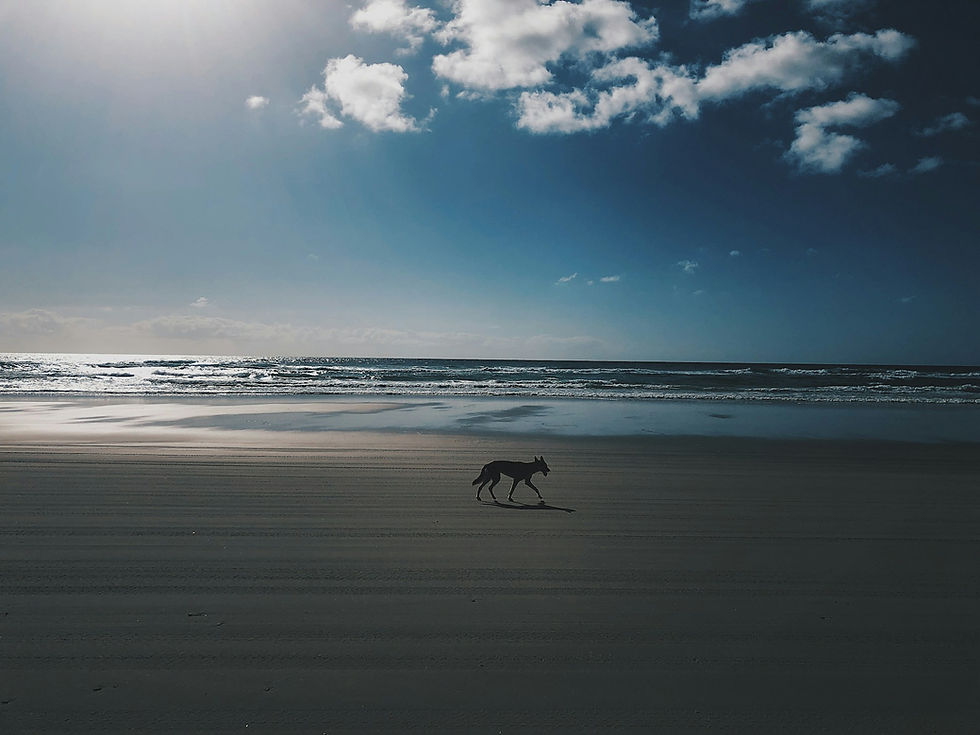
The Policy Framework
Queensland's Fraser Island Dingo Conservation and Risk Management Strategy, established in 2013 and reviewed in 2020, aims to balance three priorities: dingo welfare, cultural values, and human safety. The strategy emphasizes education, compliance enforcement, and infrastructure improvements such as fenced camping areas and secure waste disposal.
Euthanasia is designated as a "last resort" intervention, reserved for individual animals displaying irreversible habituation to humans and persistent aggressive behavior. Previous attempts at relocation have been abandoned due to poor outcomes, including high stress levels in relocated animals and the emergence of problematic behaviors in new territories.
In recent years prior to 2026, the strategy appeared to be achieving modest success, with euthanasia numbers averaging one to two animals annually—significantly lower than the post-2001 period.
The Broader Context of Dingo Management in Australia
Dingoes have inhabited Australia for an estimated 4,000 to 7,000 years and play a crucial role as apex predators in the continent's ecosystems. Yet they face a complex legacy: valued by ecologists but persecuted as pests in agricultural regions.
Since European colonization, dingoes have been systematically culled to protect livestock, most notably through the construction and maintenance of the 5,600-kilometer Dingo Fence. Sanctioned killings continue in pastoral zones across Australia, despite growing scientific evidence that dingoes provide ecosystem services by controlling populations of feral cats, foxes, and overabundant herbivores.
On K'gari, tourism creates a unique pressure point. Dingoes attract eco-tourists eager to observe Australia's native wild dog, but this same interest leads to problematic interactions: visitors approaching too closely for photographs, deliberate feeding, and the general impact of high human density on wildlife habitat and behavior.
A comprehensive management review conducted in 2019 following a series of serious dingo incidents acknowledged these challenges, yet visitor numbers have continued to climb.
Why Dingoes Matter Ecologically
As apex predators, dingoes regulate ecosystem health through multiple pathways. They control populations of medium-sized herbivores such as kangaroos and wallabies, preventing overgrazing that can lead to vegetation loss, soil erosion, and waterway degradation.
Perhaps more significantly in the Australian context, dingoes suppress populations of introduced predators—particularly feral cats and foxes—which are primary drivers of native mammal extinctions across the continent. In areas where dingo populations are healthy, native small mammal diversity tends to be higher.
On K'gari specifically, maintaining a genetically pure dingo population contributes to national conservation goals. The island serves as a genetic reservoir at a time when mainland dingo populations increasingly show hybridization with domestic dogs.
Removing dingoes from such ecosystems can trigger cascading effects that may take years to become apparent, potentially undermining the very ecological integrity that makes K'gari a World Heritage site.

The Tourism Question
K'gari generates significant economic value for Queensland, with visitor spending supporting local communities and tourism operators. However, this economic benefit comes with environmental costs that are increasingly difficult to ignore.
Annual visitor numbers in the range of 400,000 to 500,000 place enormous pressure on the island's fragile sand-based ecosystems and its wildlife. Peak summer periods see concentrated human activity in areas also used by dingoes for foraging and movement, creating inevitable conflict.
Wildlife management experts and conservation groups have long advocated for visitor number caps, seasonal restrictions, and expanded exclusion zones—measures aligned with K'gari's World Heritage Management Plan. Yet implementing such restrictions requires political will to prioritize long-term ecological sustainability over short-term tourism revenue.
Reports indicate that even the father of Piper James expressed sadness about the dingo cull while awaiting complete autopsy findings, suggesting that even those most directly affected by the tragedy recognize the complexity of the situation.
Looking Forward: Sustainable Coexistence
The January 2026 cull raises fundamental questions about how Australia manages its protected areas in an era of mass tourism. The pattern that emerges from K'gari's history is one of reactive intervention—responding to crises with lethal measures—rather than proactive management that prevents conflicts before they escalate.
Sustainable coexistence between humans and wildlife in popular tourist destinations requires difficult tradeoffs: limiting visitor access during sensitive periods, investing in robust infrastructure like comprehensive fencing and secure food storage, enforcing regulations with adequate staffing and penalties, and meaningfully incorporating Indigenous knowledge and governance into management decisions.
K'gari's World Heritage status recognizes its outstanding natural value, including its dingo population. Protecting that value may ultimately require acknowledging that not all places can accommodate unlimited visitation, and that preserving wild populations means accepting wilderness on its own terms—including some level of inherent risk.
The choice facing Queensland is whether to continue managing K'gari primarily as a tourism asset that occasionally requires wildlife control, or as a conservation priority where tourism is carefully calibrated to ecological carrying capacity. For the wongari of K'gari, and for the island's broader ecological integrity, that distinction may determine their future.
🇦🇺 🌏
REFERENCE
Sunshine Coast News, 21 January 2026 (viewed 27/01/2026)
ABC News, 20 January 2026 (viewed 27/0172026)
Queensland Government, Fraser Island dingo Conservation and Risk Management Strategy, last reviewed 05 June 2025 (viewed 27/01/2026)
K’gari (Fraser Island) Wongari (dingo) management FAQs
Great Ocean Road Wildlife Park, The Role of Dingoes in Australia’s Ecosystems - A Scientific Perspective


Comments