


Insect Decline: Why Losing Bugs Means Losing Everything

Insects are small, but they hold up almost everything that makes life on Earth possible: our food, our forests, and even the songs of birds at dawn. When insects decline, whole ecosystems begin to wobble, and that is why losing bugs can ultimately mean losing almost everything we depend on.
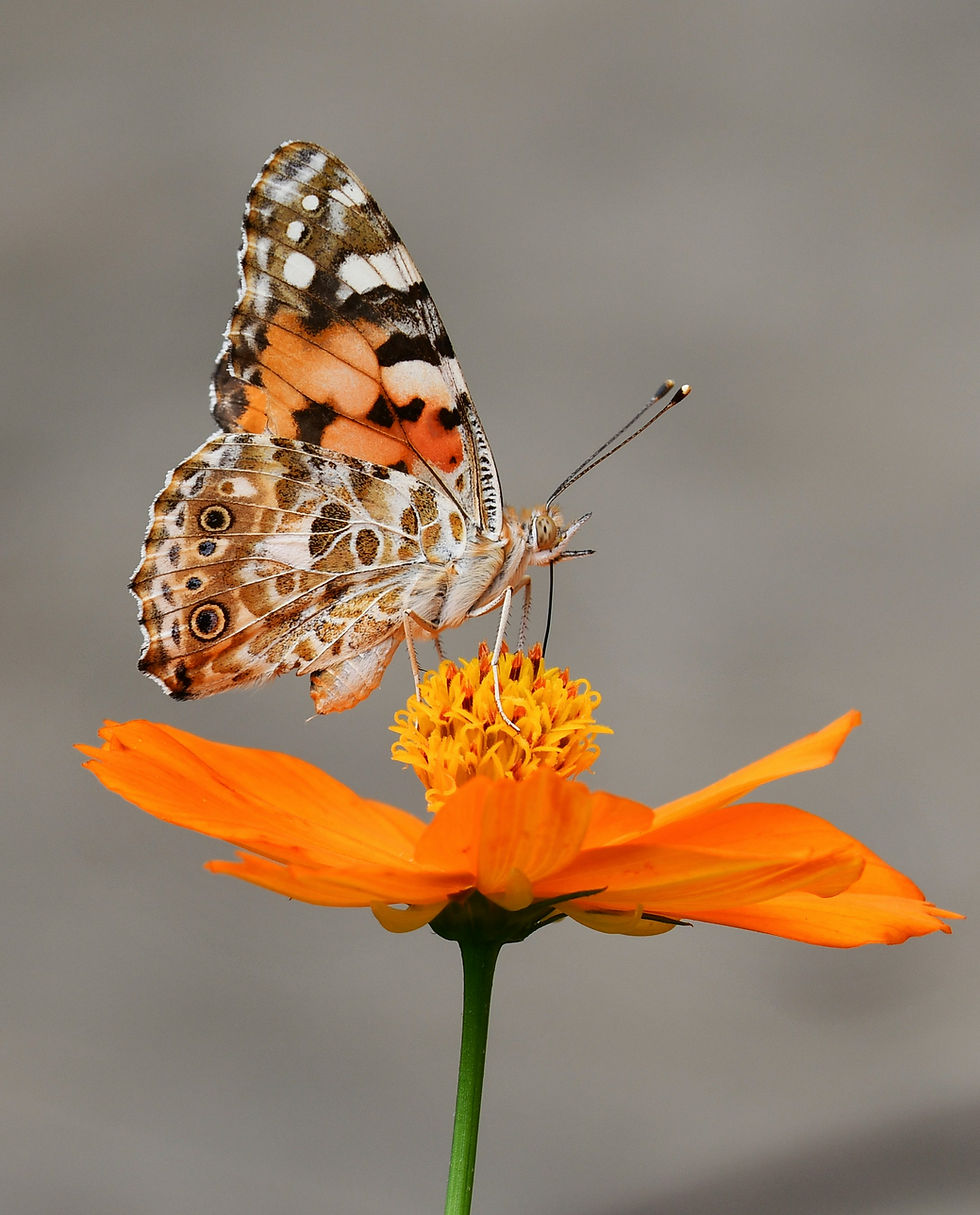
A Silent Crash
Over the past few decades, scientists have been warning that insects are disappearing at a worrying pace. A major review of global studies reported that more than 40% of insect species are declining, and about a third may be at risk of extinction in the coming decades. Long‑term monitoring in some protected areas in Europe has recorded drops of around 70–75% in flying insect biomass, even in places set aside for nature. Similar trends are showing up elsewhere, from butterflies and bees in North America to insect surveys in supposedly “pristine” mountain meadows. While not every species is in trouble, the overall pattern is clear: there are fewer insects in many places than there used to be.
Why Insects Matter So Much
It can be hard to care about creatures that buzz, bite, or chew holes in leaves, but insects quietly provide services we cannot replace. They pollinate many of our crops and wild plants, helping fruits, vegetables, nuts, and seeds to form. They break down dead plants and animals, recycling nutrients back into the soil and keeping ecosystems clean. Insects are also a vital food source for birds, reptiles, amphibians, fish, and many mammals; without them, food webs begin to unravel from the bottom up. Even freshwater insects, like mayflies and dragonflies, help keep streams and rivers healthy and support fish populations that people rely on.
A simple example shows their importance: many songbirds feed their chicks almost entirely on caterpillars and other insects. If those insects vanish, birds struggle to raise their young, and their numbers fall in turn. The loss of insects is not just about a few missing species; it is about the slow weakening of the systems that feed and sustain us.


What Is Driving Insect Decline?
There is no single villain behind insect decline; instead, it is the result of many pressures acting together. One major factor is habitat loss and the conversion of diverse landscapes into intensive farmland, cities, and roads. When wildflower meadows become monoculture fields or concrete, insects lose the varied food and shelter they need to survive. Heavy use of pesticides and synthetic fertilizers adds another layer of stress, directly killing insects or weakening them in ways that make survival harder.
Climate change is now a powerful and growing driver as well. Studies have shown insect numbers falling even in remote, relatively untouched areas, with warming temperatures linked to steep declines in flying insects over 15–20 years. Shifts in temperature and rainfall can push insects outside the ranges they are adapted to, disrupting their life cycles and timing with plants and predators. Pollution, invasive species, and artificial light at night add further pressure, creating a complex web of threats that is hard for many species to withstand.

Why This Puts Us at Risk
When insect populations fall, the consequences ripple outward in ways that directly affect people. Many of our food crops depend on insect pollinators; losing them can mean lower yields, poorer quality harvests, and higher costs for farmers and consumers. Reduced insect diversity can also make agricultural systems more fragile, because there are fewer species to take over a role if one disappears.
Beyond food, insects help maintain healthy forests, grasslands, wetlands, and freshwater systems. As they decline, these ecosystems may store less carbon, filter less water, and support fewer species overall, undermining nature’s ability to buffer us against climate change and other shocks. The loss of insects also affects culture and wellbeing: fewer butterflies, fireflies, and birdsong can make our world feel emptier and less vibrant. In short, insect decline is not a niche conservation issue; it touches food security, climate, economies, and the quality of everyday life.

What We Can Do About It
The good news is that many of the actions that help insects are within our reach, from national policy down to our own backyards. Protecting and restoring habitats—such as wildflower meadows, wetlands, hedgerows, and native forests—gives insects the space and resources they need to recover. Shifting toward more wildlife‑friendly farming, with reduced pesticide use, more crop diversity, and patches of natural vegetation, can support both insects and long‑term soil health.
Individuals and communities can also play a meaningful role. Planting native flowers and trees, avoiding pesticides in gardens, leaving some “messy” areas for insects to hide, and reducing outdoor lighting at night all create small but important refuges. Supporting policies that curb climate change, protect natural areas, and encourage sustainable land use helps tackle the broader drivers of decline. Even taking part in citizen science projects that track insects can provide valuable data to guide conservation efforts.
Insects may be tiny, but they are the threads that hold together the web of life. If those threads snap, the damage will not be limited to the “creepy‑crawlies” we rarely notice; it will spread to our farms, our forests, our rivers, and ultimately to us. By acting now to protect and restore insect life, we are really choosing to protect our own future as well.
🪲 🐞 🐝
REFERENCE
Science Direct, August 2025
European Wilderness Society, January 2026
Buflife, January 2026
Earth, May 2025


Comments