


World Cassowary Day 2026: Celebrating the Rainforest's Keystone Gardener 🎥

Every 26 September, conservationists, schools, zoos and nature lovers mark World Cassowary Day — a chance to celebrate one of the planet's most extraordinary birds and spread the word about why it matters so much to tropical rainforest health. In 2026 the date falls on a Saturday, giving communities across Australia and Papua New Guinea a natural window for public events.

A Regional Idea Gone Global
The day began in 2014 at Mission Beach in Far North Queensland, in Australia driven by local campaigners and groups including CAFNEC, the Cassowary Recovery Team and Rainforest Rescue. What started as a Queensland initiative has since grown into an international observance. Zoos, schools and rainforest charities now use it to run keeper talks, fundraisers and habitat restoration projects — shifting public perception from fear to respect.
Meet the Bird
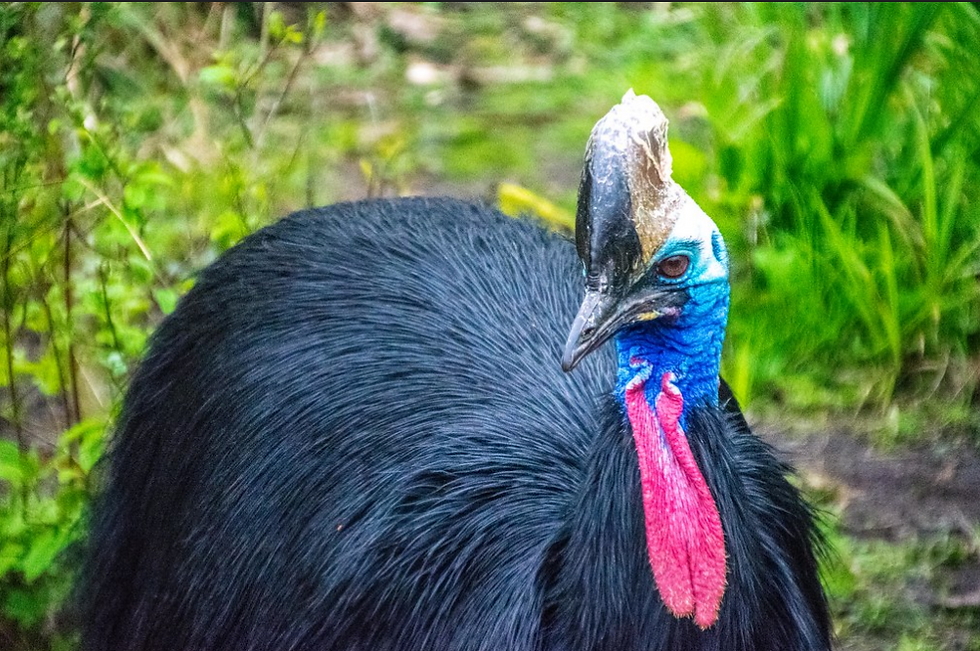
Three cassowary species live in the rainforests of Australia, New Guinea and nearby islands. Australians know the southern cassowary best: a tall, shaggy-black bird with vivid blue-and-purple neck skin, a red wattle and a helmet-like casque. Standing up to 2 metres and weighing around 60 kilograms, it's one of the heaviest birds alive, related to emus and ostriches.
Despite its reputation as the "world's most dangerous bird," the cassowary isn't naturally aggressive. Attacks on humans are rare and usually triggered by feeding, provocation or a bird feeling cornered — which is why experts urge keeping a safe distance from adults and chicks alike.

The Rainforest's Gardener
Cassowaries are keystone ecosystem engineers. They eat fruit from hundreds of rainforest plant species and disperse the seeds — including large seeds no other animal can spread — across long distances through their droppings, often aiding germination. Without cassowaries, some rainforest trees would struggle to regenerate, weakening the resilience of the whole ecosystem. Protecting the bird means protecting entire rainforest communities.
Mounting Pressures
The southern cassowary is globally listed as Vulnerable and Endangered in fragmented parts of Australia, with only an estimated 1,200–1,500 left in the country. Habitat loss from logging, agriculture and development remains the biggest long-term threat, fragmenting the corridors cassowaries need to move, feed and breed.
Day to day, though, cars and dogs do the most immediate damage. Roads cutting through habitat make vehicle strikes a leading cause of adult death, while free-ranging dogs kill or injure birds, especially chicks and sub-adults. Well-meaning feeding compounds the problem: birds that associate people with food venture into riskier areas, raising their exposure to traffic, dogs and conflict.
Be "Cass-O-Wary"
Campaigns like "Be Cass-O-Wary" set out simple ways residents, visitors and businesses can help:
Never feed cassowaries; secure food, rubbish, compost and pet food.
Keep snacks, drinks and phones out of sight in cassowary areas.
Keep a safe distance — don't approach, chase or photograph up close.
Slow down in marked cassowary zones, especially dawn and dusk.
Keep dogs leashed or enclosed near rainforest edges and habitat.
Councils, wildlife groups and tourism operators increasingly use signage, workshops and school programs to reinforce these messages, with World Cassowary Day as an annual rallying point.

Marking the Day in 2026
Ways to get involved this year include attending talks or webinars on cassowary ecology, visiting zoos running keeper chats, sharing cassowary content under #WorldCassowaryDay, donating to or volunteering with habitat and rescue groups in Far North Queensland and PNG, and choosing tourism operators with cassowary-safe practices. In Queensland, many wear blue, red and black — the "cassowary colours" — and gather at places like Mission Beach for markets, music and education.
Why It Matters
Amid ongoing climate pressures and biodiversity loss, World Cassowary Day draws a clear line between one iconic species and the health of an entire ecosystem. For Far North Queenslanders, it's a reminder that coexistence takes only small behavioural changes.
For everyone else, it's an invitation to learn and support conservation that reaches beyond Australia's borders, into Papua New Guinea and parts of Indonesia.
As 26 September 2026 unfolds, the message holds: cassowaries aren't monsters to fear, but vital gardeners of the rainforest — and their survival depends on it.
🎥 (4:27)


Comments