


Wildlife of Europe: Iceland — The Island Where Nature Rules 🎥

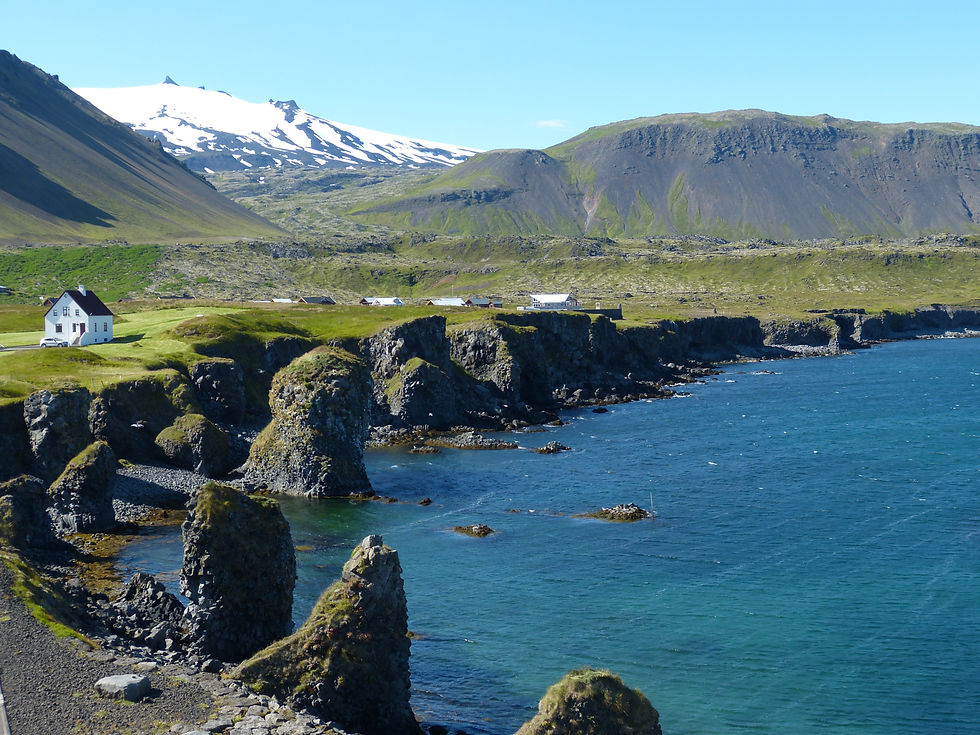
Iceland may look like a moonscape of lava, ice and wind-scoured plains, but its wildlife is rich in its own stark, northern way. With no native reptiles, amphibians or large land predators, the island's animal life centres on seabirds, marine mammals and one iconic native land mammal: the Arctic fox.

A land shaped by isolation
Iceland's wildlife has been shaped by its remote North Atlantic location, young volcanic geology and harsh climate. The only land mammal that arrived without human help is the Arctic fox (Vulpes lagopus), which walked across sea ice at the end of the last Ice Age.
Other land mammals — reindeer, mice, rats, rabbits and the American mink — were introduced by people, either intentionally or as escapees from fur farms. Reindeer were brought over from northern Norway between 1771 and 1787 in a failed attempt to establish a domestic herding industry; the animals went feral, and today's wild population, confined to the east of the country, descends from the survivors of that experiment.
Polar bears occasionally drift in on ice from Greenland but do not establish populations. This limited terrestrial fauna means that much of Iceland's wildlife drama plays out along the coast and at sea.


Seabird superpower: puffins and cliff colonies
Iceland is a global stronghold for seabirds. Around 72 species breed on the island, and more than 300 have been recorded as residents or migrants. The star is the Atlantic puffin: Iceland hosts roughly 60% of the world's population, with an estimated 8–10 million birds nesting on coastal cliffs and offshore islands each summer.
From May to mid-August, colonies at Látrabjarg (Westfjords), the Westman Islands, Dyrhólaey and Borgarfjörður Eystri become noisy, bustling "cities" of puffins, guillemots, kittiwakes, Arctic terns and skuas. Iceland is also historically one of the great skua's most important strongholds: a national survey in the 1980s put the country's breeding population at roughly 40% of the entire North Atlantic total, though numbers here have since declined and the species is now considered threatened in Iceland.

Whales, dolphins and seals in nutrient-rich seas
Iceland's surrounding waters are among Europe's best for cetaceans. Over 20 species of whales and dolphins occur here, including blue whales, humpbacks, minke whales, fin whales, sperm whales and orcas, plus white-beaked dolphins and harbour porpoises. Summer months (June–August) offer the most reliable sightings, especially on guided whale-watching trips from Reykjavík, Húsavík and Akureyri.
Seals are another coastal highlight. Grey seals and harbour seals breed in Iceland, while ringed, harp, hooded and bearded seals visit seasonally. Walruses once maintained a genetically distinct native population here, but it was hunted to extinction for its ivory in the centuries following Norse settlement around 870 CE; today, walruses still turn up occasionally as vagrants drifting over from Greenland.

The Arctic fox: Iceland's native icon
The Arctic fox is Iceland's only native terrestrial mammal and a symbol of its wild character. In summer its coat turns brown or grey; in winter it becomes pure white. The species is most easily observed in remote areas such as the Hornstrandir nature reserve in the Westfjords, where it is protected and somewhat habituated to careful observers.
Reindeer, by contrast, were introduced in the 18th century and now live mainly in the east. The American mink, an escaped fur-farm animal, has spread widely and can impact native bird colonies, illustrating how a small number of introduced species can shape an entire ecosystem.
Conservation in a fragile landscape
Iceland's Nature Conservation Act aims to protect biological, geological and landscape diversity so that nature can "develop according to its own laws." Protected areas such as Hornstrandir, national parks and seabird reserves help safeguard key habitats for foxes, breeding birds and marine mammals.
For visitors, the wildlife message is simple: keep your distance, stay on marked paths near cliffs, follow local guidance at colonies, and support responsible tour operators. In a land where so much depends on a few keystone species and fragile coastal zones, small actions make a big difference.
Why Iceland matters for Europe's wildlife
Iceland may lack the mammals of continental Europe, but it punches far above its weight in seabirds and marine life. Its puffin colonies, whale-rich seas and hardy Arctic fox populations make it a unique chapter in Europe's natural story — a reminder that wildlife thrives not only in lush forests, but also on windswept cliffs and in cold, nutrient-rich oceans.
🎥 (5:58)
🐬
More about our series “Wildlife in Europe” to choose from many:


Comments